Supporting Children with Loss
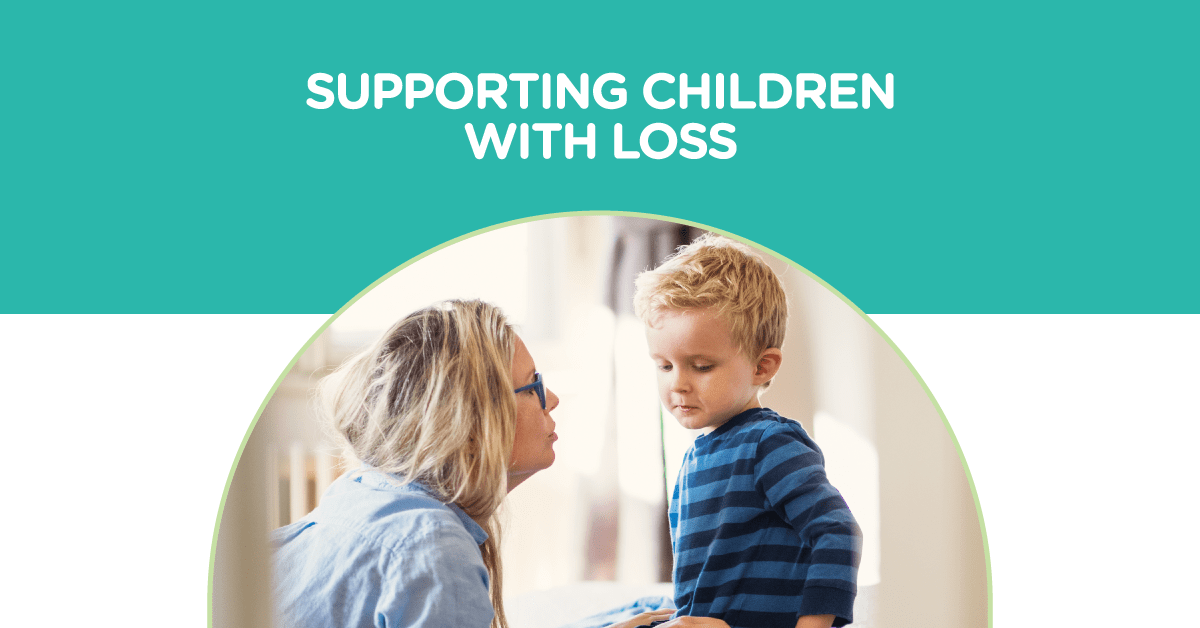
Supporting a child through loss is an incredibly emotional experience, and as parents, it’s something we hope we never have to face. However, there are times when young children do encounter loss, and understanding what is best to support them is an important part of helping them navigate this difficult time.
Firstly, it’s essential to remember that the conversations we have with children about loss depend on several factors, such as:
- Who the loss relates to
- The child’s age
- The importance of the person who has passed away to the child
That said, children are incredibly resilient. While they may show strong emotions, this is often their way of processing what they’ve been told – a normal part of dealing with grief and managing loss.
How to Tell Children Someone Has Died
Explaining death to a child can be one of the hardest conversations a parent will face. It’s important to take time to think about what you’ll say and how you’ll approach it, to ensure the message is clear and understandable for your child.
It’s natural to wonder how much detail to provide or whether to hide your own emotions during the conversation. However, don’t put too much pressure on yourself to deliver it perfectly. Children are often adept at picking up on body language and facial expressions, which can help them better understand the situation.
Even though it may feel unnatural to discuss death, especially with very young children, it’s essential to recognise that children are perceptive. They may already sense that something has changed. Shielding them from the truth can often create confusion rather than clarity.
Recognising Signs of Grief in Children
Children process grief in different ways, and their responses can vary based on their age and personality. Some common signs of grief in young children include changes in sleeping or eating patterns, withdrawal, increased clinginess, or regressive behaviours like bed-wetting. Recognising these signs can help parents provide the appropriate support
For example, if a child begins waking up more frequently during the night or seems unusually quiet, it may be a sign that they are struggling with their emotions and need extra reassurance and comfort.
Using Clear and Honest Language
When talking about death, it’s important to use clear and direct language that helps children understand the finality of what has happened. Avoid euphemisms like “passed away” or “lost”, as these can make it harder for children to grasp the reality of death. Instead, use terms like “died” and “dead” to help them understand that this is permanent.
Children should also have the chance to ask questions, so be sure to allow time for discussion after breaking the news. Preparing yourself for the kinds of questions they might ask can help you feel more confident in answering them.
Below are some examples that can help guide these conversations:
“We know that all living things will die someday. Flowers, animals, trees, butterflies, and people all die eventually…”
“…however, most people will die when they are very old.”
“When someone dies, their body stops working and they can no longer do the things they could when they were alive, like move, talk, hug, or play.”
“Sadly, [name] has died. We wish they had lived for many more years. But their body couldn’t keep working anymore, so they died. Their heart stopped beating, their lungs stopped breathing, and their bran stopped thinking. That’s why they died.”
(Source: Winston’s Wish, 2024)
Supporting Emotional Well-Being Through Activities
Encouraging children to express their emotions through creative activities can be very beneficial. Drawing pictures, creating a memory box, or telling stories about the person who has passed can help children process their feelings in a safe and comforting way. It also gives them a chance to remember and celebrate their loved one.
These activities can also open up conversations with children about what they’re feeling, helping them to articulate their thoughts in a way that feels less overwhelming.
How to Help Children Continue Bonds
Maintaining a sense of connection with the person who has passed can help children feel less alone in their grief. This might involve visiting a place they enjoyed together, lighting a candle on special occasions, or holding onto a keepsake. These rituals can help children feel supported and continue their bond with their loved one.
Such practices provide comfort and reinforce the idea that, while their loved one may not be physically present, their memory and love remain part of their lives.
When to Seek Professional Help
While children are resilient, some may struggle to cope with loss and may need extra support. If a child is showing persistent signs of distress – such as prolonged sadness, trouble concentrating, or significant changes in behaviour – it might be helpful to consult a child therapist or counsellor for additional support.
Seeking professional help doesn’t mean a child is failing to cope; it simply provides them with tools to better manage their emotions and grief.
Offering Further Support
There are several resources available to help support children and families dealing with loss and grief. Below are some useful services and websites:
Child-Friendly Books
The Invisible String, Patrice Karst