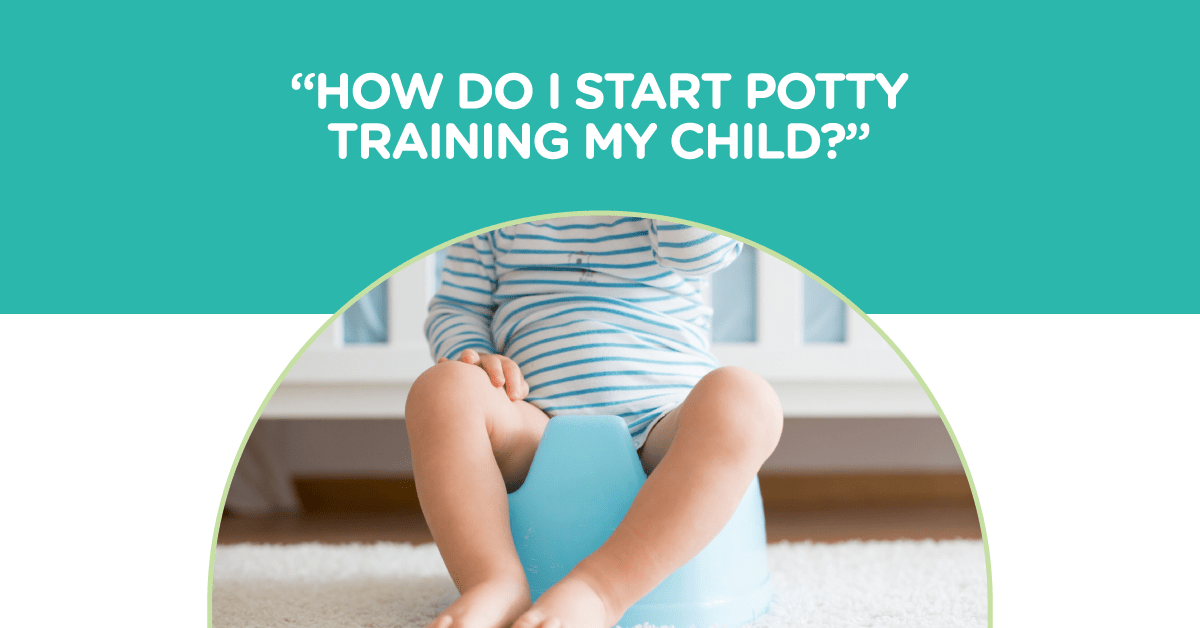
“How Do I Start Potty Training My Child?”
You’ve probably mastered sleeping through the night by now. Weaning your child has gone well, and things are finally starting to settle down. But now you’re faced with the task of potty training!
You could be in the same boat as many parents and want to get your child out of nappies. However, this can be daunting for both you and your child.
You’ll read a lot of guidance and advice available online or from your Health Visitor or relatives and friends. The most important thing you can do is approach potty training with an open mind.
As you may know, only some parenting advice you read will work for your child. We recommend you be as open-minded as possible when preparing for potty training.
In this blog, we’ll talk you through when the right time to start potty training is, knowing when your child is ready for potty training, and how to get started.
WHEN IS THE RIGHT TIME TO START POTTY TRAINING?
Most parents start thinking about potty training when their child is between 2 and 2 and 1/2 years old. Based on some of our parents’ own experiences, though, your child will show you signs that they are ready to start potty training. This is when you should start supporting the process. Starting the process before these signs are there could be a recipe for failure before you’ve begun.
Letting your child take the lead is an excellent way of ensuring that your child is physically and developmentally ready to move on from nappies to pants. If potty training is instigated when a child is unprepared, you may see unsuccessful results, which could cause problems later.
HOW WILL I KNOW IF MY CHILD IS READY TO START POTTY TRAINING?
Some of the signs that may indicate your child is ready include:
- Dry nappies for at least an hour or two at a time
- When your child understands when they are having a wee and may tell you they’re having one
- Your child can recognise that they have a wet or dirty nappy and pull at it, remove it or ask you to change it
- Seeing visible signs that your child needs to go to the toilet, such as fidgeting or going somewhere quiet or hidden
- Showing an interest in sitting on the toilet and/or potty
HOW SHOULD I PREPARE FOR POTTY TRAINING?
Using a potty will be new to your child, so allowing them time to get used to the idea is good. For boys, it’s usually easier to start them off by sitting on the potty before progressing to standing up.
Talk to your child about nappy changes as you do them so that they understand what wee and poo is and what a wet nappy means. If you consistently change their nappy in the bathroom at home, they will begin to realise that this is where people go to the toilet. Getting your child to help you flush the toilet and wash their hands is also a good idea.
Leave a potty where your child can see it and explain what it’s for. Children learn by watching and copying. If you have an older child, your younger child may see them using it, which will significantly help.
Let your child see you using the toilet and explain what you’re doing. Using your child’s toys to show what the potty is for can also help.
There are also several child-friendly books about Potty Training that can support Toddlers’ understanding of Potty Training. Some of our favourites are listed below:
When starting potty training, it is important to allow yourself the time to support your child effectively. I also recommend starting this when no changes are due to occur in your child’s life.
Changes to normal circumstances can be unsettling for young children, so you don’t want to overload them with any additional changes. It’s essential to remain consistent and avoid creating confusion for your child.
Here are 4 tips to bear in mind before you start:
- Talk to your child about wee’s and poo’s! I completely understand that this is not something we adults tend to openly discuss; however, it does help younger children to fully understand the process.
- It’s important to make the process fun. This can start with a shopping trip for ‘big girl/boy pants’ and a new potty. The more involved your child can be in the process, the better.
- Let your little one sit on the potty for a few minutes, even if they don’t do anything. This will help them get comfortable with their new potty. Then, let them practice pulling their new pants up and down.
- You can use a reward like stickers to acknowledge when your child does a wee or poo on the potty. Toddlers of this age usually love stickers.
Potty training is easier during the spring and summer months as your little one is not likely to be wearing bulky clothes or items like tights, which can be challenging to take on and off.
SO, LET’S BEGIN
First, ensure that you have a potty close to where your child spends most of their time. It may be helpful to purchase more than one to ensure that if your child needs the toilet when upstairs, they can get to it quickly.
A good time to get your child to sit on the potty is after meals, as food will have started to digest, giving them the urge to use the toilet. As your child gets used to sitting on the potty, you may wish to provide them with a toy or a book to encourage them to do so.
You may begin to notice patterns in your child’s toileting habits, especially when they may need a poo. I recommend leaving their nappies off around this time and encouraging them to sit on the potty. If your child gets upset at having to sit on the potty, do not force it. Place the nappy back on and try again in a couple of weeks.
Children will often start to wee on the potty before they poo. It is important that you praise this when it happens, as this will increase their confidence in using the potty.
Please don’t make a fuss or punish children when they have an accident, as this can leave them anxious and worried. This could also lead them to take longer to master this new skill.
Remember to think about the types of clothes your child is wearing when potty training. They need to be easy to take off.
PULL UP’S VS PANTS
A wide range of nappies are on the market, and many big brands advertise pull-ups as the best thing to use to support potty training. This is a misconception and, based on some of our parents’ own experiences, only hinders the process. Pull-ups do not allow children to feel uncomfortable when wet or soiled, which instigates them to try and avoid it by using the potty.
While not using pull-ups may result in more accidents, it will help your child, in the long run, to understand that they do not want to feel wet and encourage them to act before they have an accident.
When children transition from nappies to pants, you may feel anxious about taking them outside without a nappy. Pull-ups are great in these instances as they do not absorb as well as nappies and at least give children some indication that they have had a wee. However, children should still be encouraged to use the potty or toilet.
POTTY TRAINING AT NIGHT TIME
It is important that you allow your child to be effectively potty trained during the day before trying to start training overnight. A good indicator that children are ready to train overnight is if they wake on several mornings in a row dry or only slightly damp.
Ask your child to use the potty just before they go to bed, and make sure it’s close by so they can use it if they need a wee during the night. There are bound to be a few accidents, so a waterproof bedsheet to protect your child’s mattress is a good idea.
Just like with daytime potty training, praising your child for success is important. If things aren’t going well, stick with nappies at night and try again in a few weeks.
REMEMBER, ACCIDENTS HAPPEN
Of course, there will be accidents. Your child will not always make it to the potty on time or be so engrossed in playing or whatever they’re doing that they forget. Reassure your child that everything is OK and that they can try again later. Don’t get upset at your child for having an accident.
Potty training can be stressful for toddlers, and getting upset only makes them feel more anxious. Getting angry, impatient and stressed will rub off on your toddler and could even lead to them ‘withholding’ (holding their poo in) and becoming constipated.
It can also be highly frustrating to think that your little one has mastered potty training, only for them to have a string of accidents. Remember that potty training is a long process, and there will be setbacks now and again.
—
Whenever you choose to start potty training, good luck!