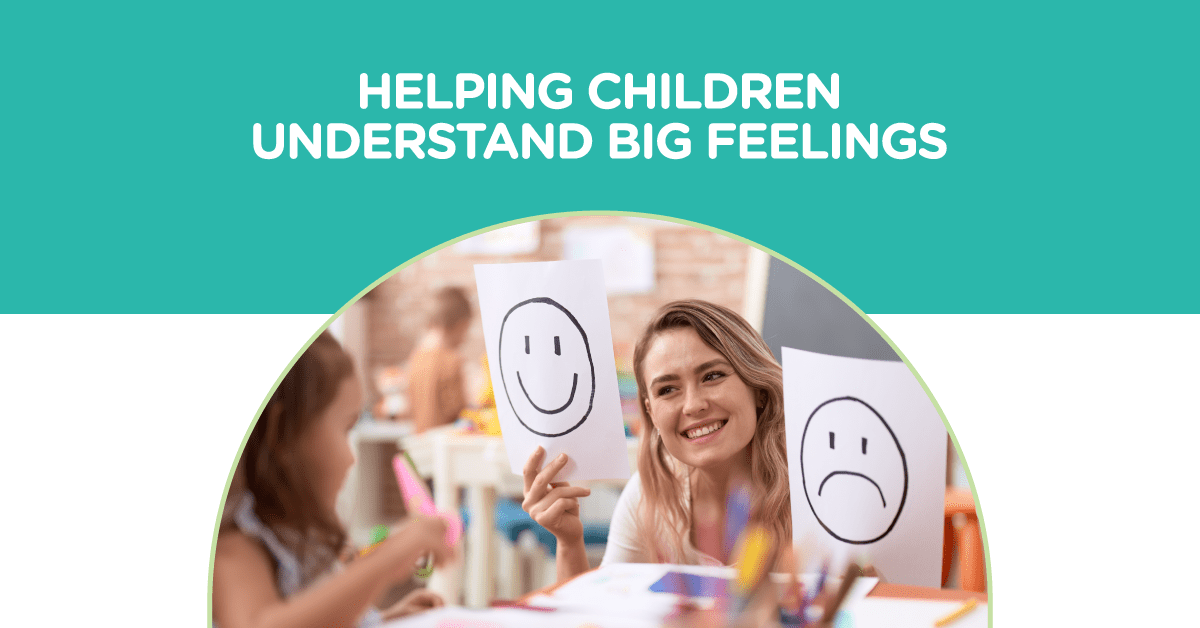
Helping Children Understand Big Feelings

Helping Children Understand Big Feelings: A Guide to Emotional Regulation in the Early Years

Learning to understand and manage big emotions is a huge part of growing up – and it starts much earlier than you might think. Emotional regulation isn’t just about stopping tantrums; it’s about helping children recognise how they’re feeling, express those feelings in safe ways, and feel supported as they work through them.

At this stage in life, their brains are doing a lot of hard work behind the scenes – building the foundations for how they’ll cope with frustration, form friendships, and bounce back from setbacks in the future. That’s why giving them the tools to handle emotions now is so important.

Why Emotional Regulation Matters

In the early years, children are only just starting to make sense of emotions – what they are, how they feel, and what to do when they show up. Sometimes it can all feel a bit too much. That’s where grown-ups come in.

Children who are supported in managing emotions early on are more likely to:

  • Build strong, healthy relationships
  • Develop self-control
  • Problem-solve more effectively
  • Settle better in social and learning environments

It Starts with Co-Regulation

Children don’t just figure this out by themselves. Before they can regulate emotions on their own, they need help – a process known as co-regulation. This means adults play a key role in:

  • Staying calm and present during emotional moments
  • Acknowledging the child’s feelings (even if you don’t quite understand them)
  • Offering comfort, structure, and consistent responses

Over time, with this steady support, children begin to learn how to manage their emotions independently

What Helps? Practical Ideas for Parents and Practitioners

There’s no one-size-fits-all approach, but here are some tried and tested ways to support children with emotional regulation:

Talk About Feelings

Use simple phrases to name the emotion: “You look upset,” or “Are you feeling cross?” This helps children build the language they need to explain how they feel.

Create a Calm Space

A quiet, cosy corner with soft toys or sensory materials can give children somewhere safe to go when they’re feeling overwhelmed. It’s not about time out – it’s about time to breathe.

Use Books and Stories

Reading together is a great way to talk about feelings. Try books like The Colour Monster or When Sophie Gets Angry – they’re full of emotional moments children can relate to.

Try Breathing and Sensory Play

Activities like blowing bubbles, playing with water, or squeezing playdough can help bring big feelings down to a manageable level.

Keep Things Predictable

Young children thrive on routine. Knowing what to expect helps them feel secure and in control, which can reduce emotional outbursts.

Be a Role Model

Children learn by watching. Try to show them how to manage your own feelings, even when things don’t go to plan: “I’m feeling a bit stressed, so I’m going to take a moment.”

A Few Common Challenges

Tantrums

They’re completely normal. The best approach is to stay calm, stay nearby, and wait it out. Once your child is calm again, you can offer comfort and talk it through.

Aggression

Big feelings like anger can be scary for young children. Let them know it’s OK to feel angry – but also show them safe ways to let it out, like stomping or drawing.

Sensitive Children

Avoid labels like “too sensitive.” Instead, help them understand their feelings and offer lots of reassurance. These children often become incredibly empathetic with the right support.

The Bigger Picture

Emotional regulation isn’t just about the here and now. It sets children up for life. With the right guidance and patience, children who learn to manage their feelings are better able to:

  • Handle stress
  • Make thoughtful choices
  • Form stronger friendships
  • Settle into school life more smoothly

In a Nutshell…

Big feelings are a normal part of childhood. What matters now is how we help children understand and manage them. By tuning into their emotional needs and offering calm, consistent support, we give them a safe base to learn from – and that sense of emotional security is something that stays with them for years to come.

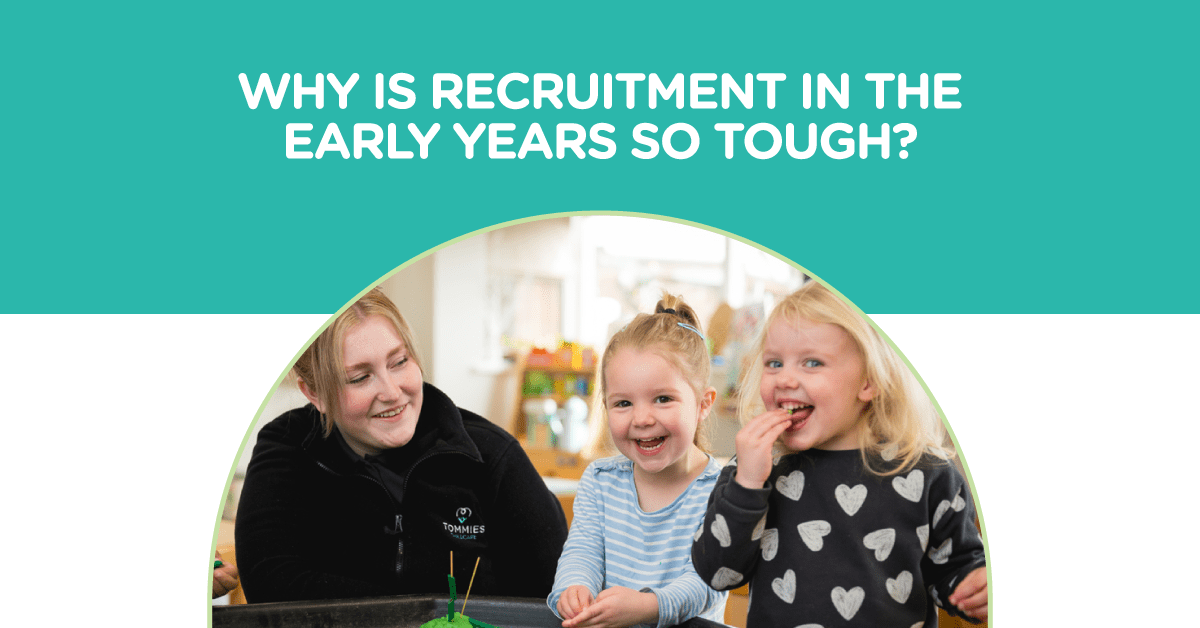
Why Recruitment is Tough in Early Years

Why Recruitment is Tough in Early Years

The Current Landscape

It’s no secret that recruitment remains a challenge across the Early Years sector. A combination of increased demand for nursery places and the ongoing expansion of government-funded entitlements has placed additional pressure on providers to grow their teams.

According to the Early Years Workforce Survey 2023, over 40% of childcare providers reported difficulties in recruiting new staff – a trend that continues to rise across the sector.

What This Looks Like at Tommies Childcare

Like many providers, we experience a varied picture across our nurseries. What we see time and time again is that settings with a stable Nursery Manager and a strong, well-led team tend to enjoy more success in both recruiting and retaining staff.

While recruitment is important, we believe retention is even more crucial. It’s the long-standing, familiar faces that build meaningful relationships with our children and families.

There are, of course, times when staff changes are unavoidable – whether due to relocation, career progression, or family commitments.

We also recognise that during periods of change, such as a vacancy in a management role or changes within a leadership team, this can naturally influence how teams feel.

That’s why we remain focused on supporting those nurseries closely to maintain a strong culture and high-quality care.

How We’re Strengthening Recruitment and Retention

At Tommies Childcare, we’ve always believed that looking after our people is the key to delivering excellent care. When our teams feel supported, they are better equipped to nurture and educate the children in our care.

We’re proud to have held a Best Companies accreditation since 2018 – a recognition based entirely on feedback from our employees. In a sector where staff can often feel undervalued, this is something we’re incredibly proud of.

Here are just some of the initiatives we offer to attract and retain great people:

  • Generous annual leave entitlements
  • Additional long service days
  • Buy and sell annual leave scheme
  • Attractive childcare discount
  • Enhanced maternity and paternity pay
  • Private health care (role dependent)
  • Employee counselling and wellbeing support
  • Company sick pay
  • Annual staff awards evening
  • Annual professional development day

How We Support Nurseries with Staffing Challenges

We take our responsibility to maintain safe staffing levels seriously. In line with the Early Years Foundation Stage (EYFS) statutory guidance, we are required to meet staff-to-child ratios at all times.

To support this, we have the following measures in place:

  • Nursery Managers are not counted in ratios – ensuring they can support with operational matters and step in if unexpected staffing issues arise.
  • Our own Bank Staff Team – a group of Tommies Childcare employees who work flexibly across nurseries, providing consistency while supporting where needed.
  • Agency staff are used only when essential – and always through trusted agencies that DBS-check and vet their teams thoroughly.

So, while recruitment across the Early Years sector remains challenging, our commitment to building strong, nurturing teams never wavers. We’re focused on bringing in the right people to maintain the high standards families expect from us.

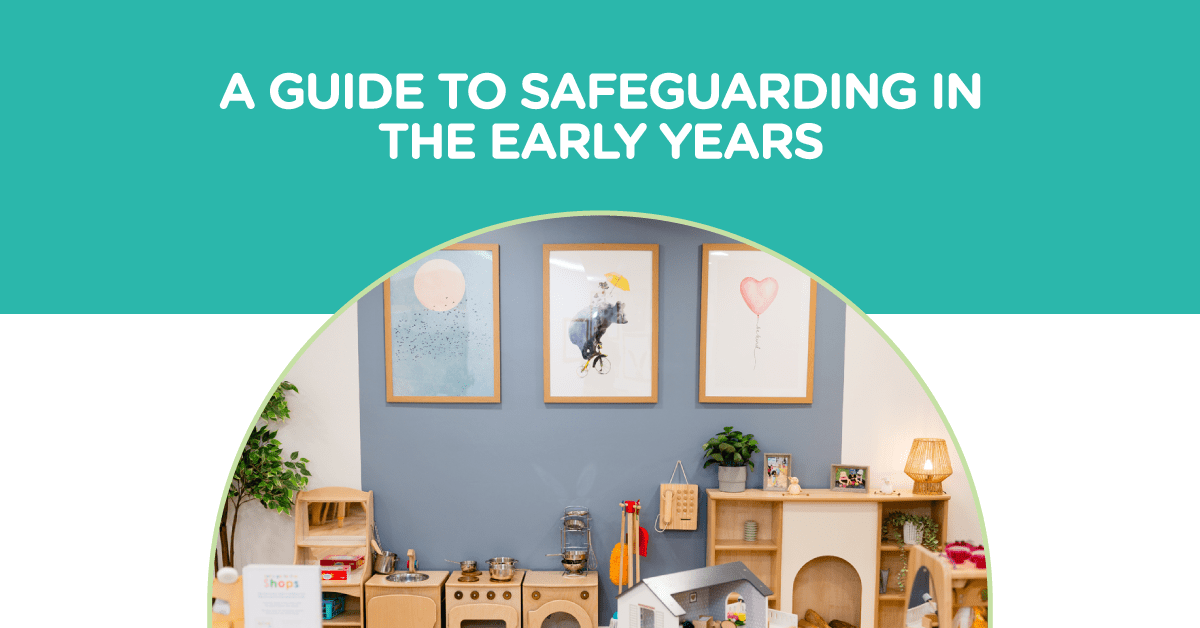
Safeguarding in Early Years: How We Keep Children Safe

Safeguarding in Early Years: How We Keep Children Safe at Tommies Childcare

At Tommies Childcare, safeguarding isn’t just a policy – it’s the foundation of everything we do. Ensuring the safety, wellbeing, and protection of every child in our care is our highest priority.

What is Safeguarding in Early Years?

Safeguarding refers to the measures we take to promote the welfare of children and protect them from harm. According to the Department for Education, safeguarding involves:

  • Protecting children from maltreatment
  • Preventing impairment of children’s health or development
  • Ensuring children grow up in circumstances consistent with the provision of safe and effective care
  • Taking action to enable all children to have the best outcomes

In a nursery setting, this means creating a secure environment where children can learn, play, and develop safely.

The Importance of Ratios

The Early Years Statutory Guidance requires all nursery providers to follow specific staff-to-child ratios, which are essential for ensuring children’s safety and wellbeing. While on occasions such as nap times, we may adjust these ratios, the following guidance is maintained throughout the day:

  • For children under two years: One member of staff for every three children (1:3)
  • For children aged two-to-three years: One member of staff for every five children (1:5)
  • For children aged three and over: One member of staff for every eight children (1:8), or one member of staff for every thirteen children (1:13) if the member of staff has a relevant Level 6 qualification

If we are ever unable to meet these statutory ratios with our permanent staff, we will deploy Bank Staff or qualified external agency staff. Rest assured, we are committed to complying with these ratios. Additionally, there may even be times when we need to increase our staffing beyond the statutory guidance if additional support is required.

Our Responsibilities as a Childcare Provider

As an early years provider, we have a legal and moral duty to safeguard all children in our care. This includes:

  • Implementing robust safeguarding policies and procedures
  • Ensuring all staff are trained to recognise and respond to signs of abuse or neglect
  • Maintaining accurate records of any concerns or incidents
  • Working in partnership with parents, carers, and external agencies

We regularly review and update our safeguarding policies to reflect current legislation and best practices.

Professional Curiosity

At Tommies Childcare, we talk a lot about ‘professional curiosity’ – and it’s an important part of how we approach safeguarding. Put simply, it means we don’t just take things at face value. We ask questions, we notice changes in behaviour, and we think about what might be happening beyond the surface.

Our staff are encouraged to embrace a culture of professional curiosity and recognise that safeguarding children is a collective responsibility. Any concerns about a child or indeed a member of staff working with children are taken very seriously and will be reported to the appropriate agencies when necessary.

Our Safeguarding Policies and Procedures

Our comprehensive safeguarding policy outlines our commitment to protecting children and the steps we take if concerns arise. Key elements include:

  • Designated Safeguarding Leads (DSLs): Each nursery has trained DSLs, typically the Nursery Manager and Deputy Manager, responsible for overseeing safeguarding practices.
  • Staff Training: All staff complete safeguarding training upon joining, regardless of previous experience, and receive annual refresher courses.
  • Incident Reporting: We maintain detailed records of accidents, incidents, and any concerns, ensuring transparency and accountability.
  • Open Communication: We encourage open dialogue with parents and carers, discussing any issues that may affect a child’s wellbeing.

Our policies are available for parents to review upon request, reflecting our commitment to transparency.

Safer Recruitment Practices

Ensuring the suitability of our staff is crucial to maintaining a safe environment. Our safer recruitment process includes:

  • Enhanced DBS Checks: All employees undergo enhanced Disclosure and Barring Service checks before starting work.
  • Professional References: We require a minimum of three professional references for each candidate.
  • Annual Declarations: Staff complete yearly declarations to confirm their ongoing suitability to work with children.
  • Induction Programme: New staff participate in a six-month induction, covering safeguarding responsibilities and procedures.

These measures help us ensure that our team is qualified, trustworthy, and aligned with our safeguarding standards.

Working Together to Protect Children

Safeguarding is a shared responsibility. We work closely with parents, carers, and external agencies to create a protective network around each child. By fostering open communication and mutual trust, we aim to identify and address concerns promptly and effectively.

If you have any questions about our safeguarding practices or wish to view our policies, please don’t hesitate to contact your nursery’s management team.

Making the Most of Famly – A Quick Guide to Our New Nursery System

Making the Most of Famly – A Quick Guide to Our New Nursery System

At Tommies Childcare, we always strive to provide parents with clear communication and useful tools to support their child’s journey with us. With that in mind, we’re excited to introduce this quick guide to Famly.

We hope this helps you to make use of some of the most beneficial features of Famly.

Informing the Nursery of Absence

With Famly, parents can inform their child’s nursery of any sickness or planned holiday from the app.

To report your child’s absence:

  • Log in to Famly
  • Click on your child’s profile in the menu to the left
  • Click Report Sick, Absent, or Holiday on the Activity tab
  • A pop-up window opens for you to fill in the required information (as below)
  • When you have filled in the requested fields, finish by pressing Confirm

Your nursery will then be informed about their absence.

Requesting Extra Sessions

You can request extra sessions for your child directly through the Famly app.

To request extra sessions:

  • Go to your child’s profile
  • Click on the Bookings tab
  • Click Add

  • Next, select a date and a session or product
  • When you have chosen your date and session, click Continue

  • You’ll see a Confirmation page showing your Total due
  • If everything looks good, click on Submit request, and your nursery will be able to approve your request on their end
  • You will receive a notification and an email if your extra session(s) are approved, or an email only if your request is declined. You can also check whether your extra session(s) are approved or pending in the Bookings tab, where it’ll say Pending or Purchase approved.

Viewing Your Invoice

You will receive invoices for your child’s fees in two different ways:

Email

If you are a bill-payer for your child, you will receive an email from notification@famly.co with a PDF document of your invoice attached.

In-app

In order to view your child’s invoices in-app, you must be listed as an invoice recipient.

To view your invoices in the Famly app:

  • Log in to Famly
  • In the left-hand column, click on the Balance tab, found under the Home icon
  • To view individual invoices, click on them, and they will open in a new window

  • To view cancelled invoices, click on ‘Show’, then click in the ‘Show cancelled invoices’ box

Viewing a Statement for Universal Credit (UC) Claims

We recognise that there may be times when parents are required to submit a statement to Universal Credit in a different format than the invoices that Famly generates. To access a Universal Credit statement, please follow the steps in this article.

Setting Up In-App Payments

To make sure you’re ready to pay in-app for your child’s fees:

  • Tap on your profile picture or click on Account in the menu bar
  • From here, select Settings
  • Next, tap on Payment methods

Setting Up Direct Debit (BACS) as a Payment Method

To set up a Direct Debit, follow the steps above and click Add Direct Debit Mandate. A new window will open for you to enter your details. Once you’ve completed the details, click Next, and the confirmation screen will open (as below). You’ll need to read the message and click in the tick box, then click Confirm.

Before a Direct Debit mandate is ready for use, it must be verified by our payment provider. This takes around 2 days.

In order for an automatic Direct Debit mandate to be included in the next payment run, it must be verified at least 1 day prior to the run date.

We hope you found these steps useful, but should you have any questions about making the most of the Famly app, please speak to us.

Getting Your Baby Ready for Nursery

Getting Your Child Emotionally Ready for Nursery

Being pregnant is a massive milestone in any parent’s life. As you look towards your maternity leave, the thought of your baby starting nursery may seem far away. However, before you know it, your leave will come to an end, and you’ll be preparing for your baby’s first day at nursery.

We cannot emphasise enough the importance of registering your interest at your chosen nursery as soon as possible. Good nurseries often have waiting lists of over 12 months.

But how do you ensure your child is ready for nursery?

Acknowledge Your Feelings

Having a baby is naturally a highly emotional time. You’ll experience a tricky combination of joy at welcoming your newborn and the challenges of sleepless nights and fluctuating hormones. As your maternity or paternity leave draws to a close, feelings of heightened emotion and anxiety about leaving your baby in someone else’s care are completely normal.

Parents should never feel embarrassed about the anxiety that often accompanies this time. Your family is facing a significant change, and feeling upset or concerned is a natural part of the process.

Tackling Separation Anxiety

During the first 9–12 months of your child’s life, you are likely their primary carer and the person they feel most attached to. Separation anxiety typically develops between 6 months and 3 years, a normal part of child development. Your baby may cry when you leave the room or become upset when held by someone else.

If your child experiences separation anxiety, you might find it difficult to leave them at nursery. Here are some steps you can take to support them:

  • Begin with short separations, such as leaving your child with a trusted family member for a short period.
  • Encourage your child to play independently in another room while you remain nearby.
  • Provide a comforter, such as a dummy, teddy, or blanket, to reassure them.
  • Make goodbyes a positive experience by smiling and waving. Babies often pick up on negative emotions like tension or anxiety, so staying upbeat can help them feel more secure.

Ratios: From 1:1 to 1:3

At home, your baby may be used to receiving one-on-one attention. However, nursery environments are different, with ratios in place to ensure all children are cared for equally. For the youngest children, this ratio is 1:3.

Most babies adapt well to this change, as they are naturally curious and enjoy exploring new environments. However, children who have only been cared for by their primary carer may take longer to settle.

It’s important for parents to understand that nursery staff care for multiple children simultaneously, so encouraging a level of independence at home can help prepare your child for this transition.

Sleeping Patterns

Maintaining your baby’s sleep routine at nursery is vital for a smooth transition. While nursery teams will support existing routines, some adjustments may be necessary.

At home, your child may sleep alone in a quiet space or even on you. At nursery, children often sleep in shared spaces, which can be an adjustment. To help prepare for this:

  • Encourage your child to sleep in a cot or bed if they don’t already.
  • Introduce a comforter to help them settle in their new surroundings.

Children must be able to sleep in a cot or on a mat at nursery before their start date. Supporting this transition at home can make settling in much easier.

Comforters

Comforters can provide children with a sense of security as they transition into nursery life. At Tommies Childcare, we encourage the use of comforters and recommend:

  • Dummies: Reassuring for younger children, dummies can help with settling. For children over 12 months, we suggest reserving dummies for sleep times.
  • Blankets or Cuddly Toys: If your child has a favourite item, consider purchasing a duplicate to leave at nursery, avoiding any issues if the original is left behind.

Breastfeeding

If you’re breastfeeding, you can supply breastmilk for your child at nursery. However, children must take milk from a bottle while in our care. Introducing a bottle at home before your child starts nursery can help ease this transition.

Settling-In Sessions

At Tommies Childcare, we offer unlimited settling-in sessions to give you and your child as much time as needed to feel comfortable. Our settling-in process may differ from other nurseries, so we encourage parents to allocate enough time for this important step.

While some children settle quickly, others may take several weeks. Patience and open communication with your child’s Key Worker will ensure a smoother transition.

Routine

We aim to work closely with parents to make the transition from home to nursery as seamless as possible. Sharing information about your child’s preferences, habits, and needs will help us create a nurturing and supportive environment during their first weeks.

If you found this blog helpful, you may also enjoy: “How Long Should It Take to Settle Into a Nursery?”

Supporting Children with Loss

Supporting Children with Loss

Supporting a child through loss is an incredibly emotional experience, and as parents, it’s something we hope we never have to face. However, there are times when young children do encounter loss, and understanding what is best to support them is an important part of helping them navigate this difficult time.

Firstly, it’s essential to remember that the conversations we have with children about loss depend on several factors, such as:

  • Who the loss relates to
  • The child’s age
  • The importance of the person who has passed away to the child

That said, children are incredibly resilient. While they may show strong emotions, this is often their way of processing what they’ve been told – a normal part of dealing with grief and managing loss.

How to Tell Children Someone Has Died

Explaining death to a child can be one of the hardest conversations a parent will face. It’s important to take time to think about what you’ll say and how you’ll approach it, to ensure the message is clear and understandable for your child.

It’s natural to wonder how much detail to provide or whether to hide your own emotions during the conversation. However, don’t put too much pressure on yourself to deliver it perfectly. Children are often adept at picking up on body language and facial expressions, which can help them better understand the situation.

Even though it may feel unnatural to discuss death, especially with very young children, it’s essential to recognise that children are perceptive. They may already sense that something has changed. Shielding them from the truth can often create confusion rather than clarity.

Recognising Signs of Grief in Children

Children process grief in different ways, and their responses can vary based on their age and personality. Some common signs of grief in young children include changes in sleeping or eating patterns, withdrawal, increased clinginess, or regressive behaviours like bed-wetting. Recognising these signs can help parents provide the appropriate support

For example, if a child begins waking up more frequently during the night or seems unusually quiet, it may be a sign that they are struggling with their emotions and need extra reassurance and comfort.

Using Clear and Honest Language

When talking about death, it’s important to use clear and direct language that helps children understand the finality of what has happened. Avoid euphemisms like “passed away” or “lost”, as these can make it harder for children to grasp the reality of death. Instead, use terms like “died” and “dead” to help them understand that this is permanent.

Children should also have the chance to ask questions, so be sure to allow time for discussion after breaking the news. Preparing yourself for the kinds of questions they might ask can help you feel more confident in answering them.

Below are some examples that can help guide these conversations:

“We know that all living things will die someday. Flowers, animals, trees, butterflies, and people all die eventually…”

“…however, most people will die when they are very old.”

“When someone dies, their body stops working and they can no longer do the things they could when they were alive, like move, talk, hug, or play.”

“Sadly, [name] has died. We wish they had lived for many more years. But their body couldn’t keep working anymore, so they died. Their heart stopped beating, their lungs stopped breathing, and their bran stopped thinking. That’s why they died.”

(Source: Winston’s Wish, 2024)

Supporting Emotional Well-Being Through Activities

Encouraging children to express their emotions through creative activities can be very beneficial. Drawing pictures, creating a memory box, or telling stories about the person who has passed can help children process their feelings in a safe and comforting way. It also gives them a chance to remember and celebrate their loved one.

These activities can also open up conversations with children about what they’re feeling, helping them to articulate their thoughts in a way that feels less overwhelming.

How to Help Children Continue Bonds

Maintaining a sense of connection with the person who has passed can help children feel less alone in their grief. This might involve visiting a place they enjoyed together, lighting a candle on special occasions, or holding onto a keepsake. These rituals can help children feel supported and continue their bond with their loved one.

Such practices provide comfort and reinforce the idea that, while their loved one may not be physically present, their memory and love remain part of their lives.

When to Seek Professional Help

While children are resilient, some may struggle to cope with loss and may need extra support. If a child is showing persistent signs of distress – such as prolonged sadness, trouble concentrating, or significant changes in behaviour – it might be helpful to consult a child therapist or counsellor for additional support.

Seeking professional help doesn’t mean a child is failing to cope; it simply provides them with tools to better manage their emotions and grief.

Offering Further Support

There are several resources available to help support children and families dealing with loss and grief. Below are some useful services and websites:

Child-Friendly Books

The Invisible String, Patrice Karst

Lost in the Clouds, Tom Tinn-Disbury

Useful Websites

Supporting Your Child’s Transition to School

Supporting Your Child’s Transition to School

The day has finally arrived – your child is about to begin their first full day at school.

While this is a significant developmental milestone for your child, it can also be a big step for you as a parent. Being prepared for what’s ahead can provide some much-needed support during this transition.

Skills to Support

Starting school is not just about entering a formal educational setting; there are several non-academic skills that will greatly benefit your child as they embark on this new chapter. Some of these essential skills include:

  • Communication Skills: It’s important that your child can express their thoughts and feelings to those around them. Being able to ask and answer questions about their needs will also be important.
  • Understanding Behaviour Expectations: Knowing what is and isn’t acceptable behaviour is key. Children who are aware of behaviour expectations are better equipped to navigate their new environment.
  • Self-Regulation: At an age-appropriate level, being able to manage their emotions when things don’t go as planned is an important skill for all children.
  • Building Relationships: Having the confidence to build relationships with both adults and peers will help your child feel more secure in their new surroundings.
  • Personal Hygiene: Ensuring your child has a good level of personal hygiene, such as being able to put on their coat and other clothing by themselves and using the toilet independently, are all skills that you can support as a parent.

If your child has attended nursery or pre-school before starting school, many of these skills will have already been nurtured by their practitioners. However, reinforcing these skills at home can provide them with even more support.

Additional Activities to Support the Transition

Here are some extra activities you can do to further ease your child’s transition to school:

  • Reading Stories About Starting School: Reading books about starting school can help your child understand that a change is coming and what to expect.
  • Arrange Playdates: If you know other children who will be starting school at the same time, try arranging a playdate. Having a familiar face at school can offer reassurance on the first day.
  • Involve Your Child in Buying Their School Uniform: Let your child take part in buying their school uniform and talk about it positively. This can help them see it as an exciting milestone rather than something to be feared.

If you have any questions or concerns about how to support your child’s transition to school, please speak to one of our staff members in the Pre-school Room.

The Benefits of Men in Childcare

The Benefits of Men in Childcare

At Tommies Childcare, we firmly believe that both men and women have crucial roles in a child’s life, particularly in the early years.

While the key qualities we seek when recruiting staff are their passion for working with children, their qualifications, and their eagerness to learn, it’s clear that each gender can bring unique benefits to the childcare environment.

Unfortunately, there is a low number of men working in nurseries, which means many children miss out on the opportunity to develop relationships with male figures in the setting.

Recent official figures show that only 2% of people working in early years education in England are male – a statistic that has actually decreased in recent years (Source: Department for Education – Childcare and Early Years Providers Survey).

It’s disappointing that these low figures have remained largely unchanged for the past 25 years.

The Importance of Male Role Models

The Early Years Alliance in 2024 said, “There is no evidence that women are ‘naturally’ any better at the caregiving elements of early education than men are – and to suggest so or build a workforce on the basis of such an idea is to ‘box in’ female staff to a stereotype that overlooks the possibility of excelling in other skills and areas (like outdoor play for example) …and do the converse to men.”

With the majority of nursery practitioners being female, it’s easy for young children to grow familiar and comfortable with them.

However, we believe having male and female role models is essential for a balanced and enriching early years experience. A diverse team of practitioners can positively shape children’s perceptions of the world around them, regardless of gender.

Tommies Childcare: Our Stance

Although we currently have fewer male nursery practitioners than we would like, we deeply value the contributions they make to Tommies Childcare, just as we do with all our female employees.

We treat all our colleagues equally, regardless of gender, which means there are no exceptions to their roles based on whether they are male or female.

Our male practitioners are fully involved in all care duties, including nappy changing, toileting, and other responsibilities.

We do not make exceptions to this policy, even if requested by parents, as doing so would undermine the individual and devalue their vital role in our organisation.

Our hope is to see more men pursuing careers in childcare, and we are committed to supporting this by providing a positive and inclusive experience for our male colleagues.

The Importance of Outdoor Play

The Importance of Outdoor Play

Outdoor play is crucial for children’s learning, growth, and well-being. It gives them the chance to explore, move, and enjoy nature. With more children spending time on screens, it’s essential to highlight the benefits of being outside. Playing outdoors helps children stay active, boosts their mood, and sparks creativity and problem-solving skills.

Children themselves are rarely the barrier to playing outdoors; it is almost always the adults around them who impose these restrictions. Here, we’ll explore why outdoor play is essential for children.

The Tommies Guarantee

At Tommies Childcare, outdoor play is a vital part of the daily schedule. For us, it’s not optional; all children take part in outdoor activities multiple times a day, no matter the weather*. During tours, parents are informed that their children will have these opportunities and are encouraged to provide weather-appropriate clothing.

Learn more about the Tommies Guarantee here.

*Extreme weather permitting.

Indoor vs. Outdoor Play

Playing outdoors offers different experiences than playing indoors. Outside, children can be louder and more active, with activities like climbing, running, and jumping. They can also experience different weather and see how it affects their surroundings. This environment allows children to take risks, challenge their abilities, and learn to work with others, which helps them build resilience and problem-solving skills.

Health and Well-being

Outdoor play greatly benefits children’s physical and mental health. With rising obesity rates among children, getting more physical activity is essential. Playing outside helps children use their energy, focus better, and enjoy unstructured play. Exercise releases chemicals that improve mood; even a little outdoor play can make a big difference in children’s well-being.

Managing Illness

Tommies Childcare understands that children may sometimes feel unwell, especially in colder months. However, we ask parents to ensure their child is well enough to attend nursery. 

A ‘Well Child’ is defined as:

  • Not needing temperature relief medication (e.g., Calpol)
  • Not having a fever
  • Able to join in all nursery activities
  • Having a normal appetite and being happy and sociable
  • Not needing extra staff attention
  • Having normal bowel functions

Children must be healthy enough to take part in all nursery activities, including outdoor play.

Embracing Outdoor Play

Outdoor play is essential for children’s growth and health. Here at Tommies Childcare, we ensure this is a part of everyday activities, allowing all children to benefit from playing outside. By encouraging regular outdoor activities, we support the overall development of each child in our care.

How do I Start Potty Training?

“How Do I Start Potty Training My Child?”

You’ve probably mastered sleeping through the night by now. Weaning your child has gone well, and things are finally starting to settle down. But now you’re faced with the task of potty training!

You could be in the same boat as many parents and want to get your child out of nappies. However, this can be daunting for both you and your child.

You’ll read a lot of guidance and advice available online or from your Health Visitor or relatives and friends. The most important thing you can do is approach potty training with an open mind.

As you may know, only some parenting advice you read will work for your child. We recommend you be as open-minded as possible when preparing for potty training.

In this blog, we’ll talk you through when the right time to start potty training is, knowing when your child is ready for potty training, and how to get started.

WHEN IS THE RIGHT TIME TO START POTTY TRAINING?

Most parents start thinking about potty training when their child is between 2 and 2 and 1/2 years old. Based on some of our parents’ own experiences, though, your child will show you signs that they are ready to start potty training. This is when you should start supporting the process. Starting the process before these signs are there could be a recipe for failure before you’ve begun.

Letting your child take the lead is an excellent way of ensuring that your child is physically and developmentally ready to move on from nappies to pants. If potty training is instigated when a child is unprepared, you may see unsuccessful results, which could cause problems later.

HOW WILL I KNOW IF MY CHILD IS READY TO START POTTY TRAINING?

Some of the signs that may indicate your child is ready include:

  • Dry nappies for at least an hour or two at a time
  • When your child understands when they are having a wee and may tell you they’re having one
  • Your child can recognise that they have a wet or dirty nappy and pull at it, remove it or ask you to change it
  • Seeing visible signs that your child needs to go to the toilet, such as fidgeting or going somewhere quiet or hidden
  • Showing an interest in sitting on the toilet and/or potty

HOW SHOULD I PREPARE FOR POTTY TRAINING?

Using a potty will be new to your child, so allowing them time to get used to the idea is good. For boys, it’s usually easier to start them off by sitting on the potty before progressing to standing up.

Talk to your child about nappy changes as you do them so that they understand what wee and poo is and what a wet nappy means. If you consistently change their nappy in the bathroom at home, they will begin to realise that this is where people go to the toilet. Getting your child to help you flush the toilet and wash their hands is also a good idea.

Leave a potty where your child can see it and explain what it’s for. Children learn by watching and copying. If you have an older child, your younger child may see them using it, which will significantly help.

Let your child see you using the toilet and explain what you’re doing. Using your child’s toys to show what the potty is for can also help.

There are also several child-friendly books about Potty Training that can support Toddlers’ understanding of Potty Training. Some of our favourites are listed below:

When starting potty training, it is important to allow yourself the time to support your child effectively. I also recommend starting this when no changes are due to occur in your child’s life.

Changes to normal circumstances can be unsettling for young children, so you don’t want to overload them with any additional changes. It’s essential to remain consistent and avoid creating confusion for your child.

Here are 4 tips to bear in mind before you start:

  1. Talk to your child about wee’s and poo’s! I completely understand that this is not something we adults tend to openly discuss; however, it does help younger children to fully understand the process.
  2. It’s important to make the process fun. This can start with a shopping trip for ‘big girl/boy pants’ and a new potty. The more involved your child can be in the process, the better.
  3. Let your little one sit on the potty for a few minutes, even if they don’t do anything. This will help them get comfortable with their new potty. Then, let them practice pulling their new pants up and down.
  4. You can use a reward like stickers to acknowledge when your child does a wee or poo on the potty. Toddlers of this age usually love stickers.

Potty training is easier during the spring and summer months as your little one is not likely to be wearing bulky clothes or items like tights, which can be challenging to take on and off.

SO, LET’S BEGIN

First, ensure that you have a potty close to where your child spends most of their time. It may be helpful to purchase more than one to ensure that if your child needs the toilet when upstairs, they can get to it quickly.

A good time to get your child to sit on the potty is after meals, as food will have started to digest, giving them the urge to use the toilet. As your child gets used to sitting on the potty, you may wish to provide them with a toy or a book to encourage them to do so.

You may begin to notice patterns in your child’s toileting habits, especially when they may need a poo. I recommend leaving their nappies off around this time and encouraging them to sit on the potty. If your child gets upset at having to sit on the potty, do not force it. Place the nappy back on and try again in a couple of weeks.

Children will often start to wee on the potty before they poo. It is important that you praise this when it happens, as this will increase their confidence in using the potty.

Please don’t make a fuss or punish children when they have an accident, as this can leave them anxious and worried. This could also lead them to take longer to master this new skill.

Remember to think about the types of clothes your child is wearing when potty training. They need to be easy to take off.

PULL UP’S VS PANTS

A wide range of nappies are on the market, and many big brands advertise pull-ups as the best thing to use to support potty training. This is a misconception and, based on some of our parents’ own experiences, only hinders the process. Pull-ups do not allow children to feel uncomfortable when wet or soiled, which instigates them to try and avoid it by using the potty.

While not using pull-ups may result in more accidents, it will help your child, in the long run, to understand that they do not want to feel wet and encourage them to act before they have an accident.

When children transition from nappies to pants, you may feel anxious about taking them outside without a nappy. Pull-ups are great in these instances as they do not absorb as well as nappies and at least give children some indication that they have had a wee. However, children should still be encouraged to use the potty or toilet.

POTTY TRAINING AT NIGHT TIME

It is important that you allow your child to be effectively potty trained during the day before trying to start training overnight. A good indicator that children are ready to train overnight is if they wake on several mornings in a row dry or only slightly damp.

Ask your child to use the potty just before they go to bed, and make sure it’s close by so they can use it if they need a wee during the night. There are bound to be a few accidents, so a waterproof bedsheet to protect your child’s mattress is a good idea.

Just like with daytime potty training, praising your child for success is important. If things aren’t going well, stick with nappies at night and try again in a few weeks.

REMEMBER, ACCIDENTS HAPPEN

Of course, there will be accidents. Your child will not always make it to the potty on time or be so engrossed in playing or whatever they’re doing that they forget. Reassure your child that everything is OK and that they can try again later. Don’t get upset at your child for having an accident.

Potty training can be stressful for toddlers, and getting upset only makes them feel more anxious. Getting angry, impatient and stressed will rub off on your toddler and could even lead to them ‘withholding’ (holding their poo in) and becoming constipated.

It can also be highly frustrating to think that your little one has mastered potty training, only for them to have a string of accidents. Remember that potty training is a long process, and there will be setbacks now and again.

Whenever you choose to start potty training, good luck!